Orthodontic Cost & Insurance Planner
This free planner helps you organize orthodontic cost details in one place before you decide what to do. It is general educational information, not medical advice, and only a licensed orthodontist can advise you after an in-person exam.
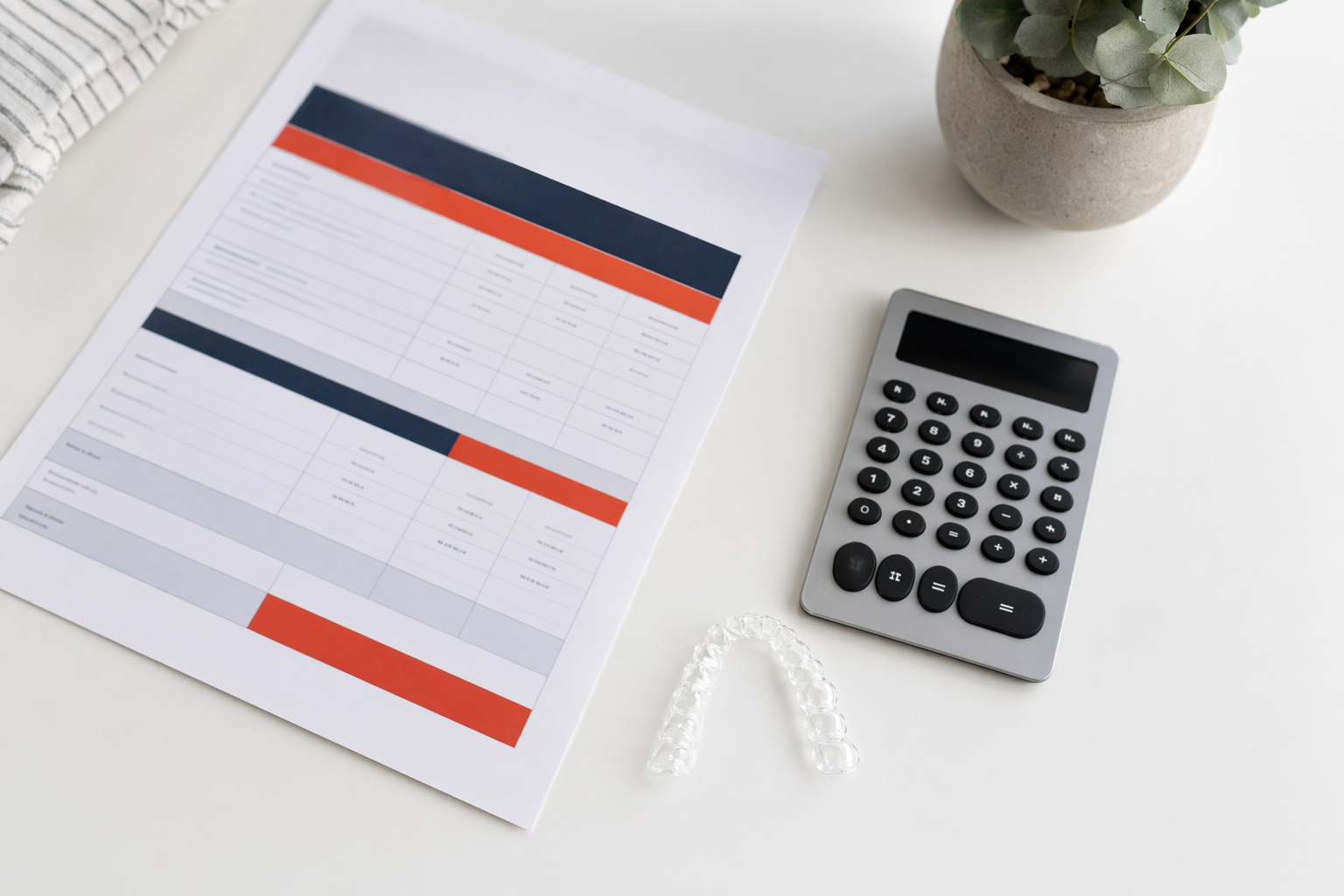
What this free planner is
The Orthodontic Cost & Insurance Planner is a simple download you can use to keep track of the numbers that matter when you are comparing treatment options. It is made for parents, teens, and adults who want a clearer picture of possible costs before starting.
This planner is not a diagnosis, treatment plan, or quote. AlignLoom is a free matching service, not a dental office or healthcare provider. We do not examine teeth, give care, or decide what treatment you need.
What it can help you do:
- Compare typical price ranges for metal braces, ceramic braces, and clear aligners
- Keep notes about insurance, payment plans, and retainer costs
- Bring your questions to consultations so you can compare providers more clearly
- Stay organized if you are helping a child, teen, or more than one family member
If you want a general overview first, see costs or compare braces vs. clear aligners.
How to use it step by step
You do not need to know every answer before you start. The planner works best when you fill it in a little at a time.
1. Download the planner at `/downloads/orthodontic-cost-planner.pdf`.
2. Write down the treatment type you are considering, such as metal braces, ceramic braces, or clear aligners.
3. Add the typical range you have seen so far. In the U.S., common ranges are:
- Metal braces: $3,000-$7,000
- Ceramic braces: $4,000-$8,000
- Clear aligners: $3,000-$8,000
- Retainers: $100-$500 per set
4. Check your dental insurance for orthodontic benefits. Many plans have an orthodontic lifetime maximum, often around $1,000-$3,000.
5. Leave space to note what each office includes, such as follow-up visits or retainers, because this can vary.
6. Bring the planner with you when you meet a licensed orthodontist in person.
Real cost depends on the case, your area, and your insurance. This is why the planner is useful: it helps you compare written information side by side instead of relying on memory.

What to write down during consultations
When you speak with an orthodontist's office, try to collect the same kind of information each time. That makes comparison easier and more fair.
Useful things to note:
- The total estimated cost in writing
- Whether the estimate is for metal braces, ceramic braces, or clear aligners
- What the office says is included in the fee
- Down payment amount, if any
- Monthly payment options
- Estimated insurance contribution
- Expected retainer cost, if listed separately
- Any questions you still need answered
You can learn more about treatment types here: metal braces, ceramic braces, and clear aligners.
This is still not medical advice. Only a licensed orthodontist can tell you what is appropriate after an in-person exam.
A smart next step after the planner
Once you have your questions ready, the next step is simple: meet a licensed orthodontist and ask for the plan and price in writing before you start.
A few tips:
- You choose who to see
- You decide whether to move forward
- Verify the orthodontist's license yourself
- Do not feel rushed to start the same day
- Compare more than one office if you want
If you want help finding local providers, you can use our free matching service. We help families and adults connect with licensed orthodontists near them at no cost to you.
Download the free planner, write down cost and insurance details, and take it to consultations so you can compare options clearly. Then choose a licensed orthodontist, verify the license yourself, and get the plan and price in writing before starting.