An Adult Who Fit Aligners Around a Busy Job
This is an **anonymized, illustrative story** based on a common adult experience. It is general information only, **not medical advice**. Only a licensed orthodontist can tell you what may fit your needs after an in-person exam.
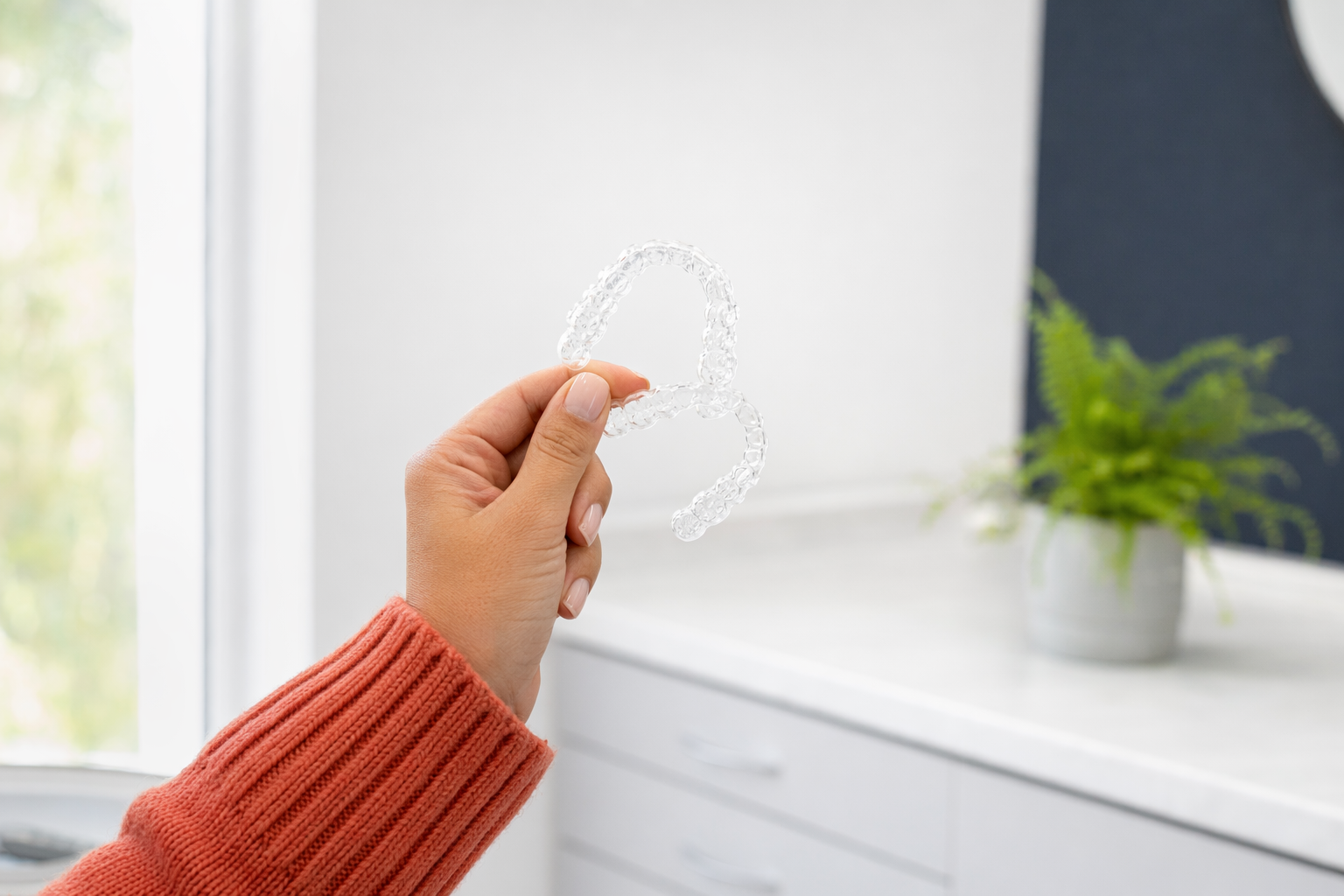
The situation: long hours, lots of meetings, and no extra time
A working adult in their 30s wanted to straighten crowded front teeth but kept putting it off. Their job involved video calls, client meetings, and occasional travel. They were not looking for a dramatic makeover. They wanted something manageable, private, and realistic.
What made the decision hard was not just appearance. It was the daily routine. They worried about:
- taking trays out before coffee or lunch
- remembering wear time during long workdays
- speech changes in meetings
- losing trays while commuting
- the total cost and whether insurance would help
They had also seen ads for fast, at-home options. But they did not feel comfortable choosing treatment without seeing a licensed orthodontist in person first.
So instead of guessing, they used a free matching service to find local orthodontists and compare options. If you are at the research stage, clear aligners and braces vs. clear aligners are good places to start.
What they did: compare real appointments, not just ads
The adult decided to keep the process simple. They did not try to solve everything online. They focused on getting clear information from licensed orthodontists.
They used this checklist:
- Find a few local options. They asked for appointments with orthodontists near home and work.
- Ask the same questions each time. That made it easier to compare answers.
- Get the plan and price in writing before starting. No assumptions.
- Check license information themselves. They did not rely on marketing.
Questions they brought to each visit included:
- Am I a possible candidate for clear aligners, or would braces likely be better?
- How often would in-person visits usually happen?
- What daily wear routine is typically expected?
- What happens if I lose a tray?
- What is the estimated total cost, and what might insurance cover?
- Are retainers included, or billed separately later?
This part mattered. AlignLoom does not provide care, exams, scans, or treatment. It is a free matching service. The orthodontist does the exam, explains options, and advises what may be appropriate.
The estimates they heard were within typical US ranges. Clear aligners often run about $3,000-$8,000, but the real price depends on the case, the area, and insurance. Many dental plans have an orthodontic lifetime maximum, often around $1,000-$3,000. They reviewed orthodontic insurance basics before deciding.

What made the plan workable for a busy adult
The adult did choose clear aligners, but not because they were "easier" in every way. They chose them because the routine fit their work life better than braces seemed to.
A few practical habits made a big difference:
- They tied the routine to meals. Trays out for breakfast, lunch, and dinner. Back in right after.
- They kept a small case in every bag. One for work, one for travel.
- They packed basics. Toothbrush, toothpaste, and floss picks.
- They used phone reminders. Especially at the start, when forgetting was easy.
- They asked about travel. The orthodontist explained how follow-ups would work during busy weeks.
There were still tradeoffs. The first days with a new set felt tight. Coffee breaks became less casual. Work lunches took a little more planning. On some days, the routine was annoying.
That honesty matters. No orthodontic option is "zero effort." Even when a treatment looks subtle, it still requires consistency, follow-up, and clear instructions from a licensed orthodontist.
For another person with a different bite or goals, metal braces or ceramic braces might make more sense. The right choice depends on the case, not on what sounds most convenient in an ad.
The outcome: not instant, but realistic and manageable
Over time, the adult felt the process became part of normal life. They got more comfortable speaking in meetings. They stopped overthinking whether other people noticed. The biggest benefit was not that treatment felt effortless. It was that they had picked a plan they could actually stick with.
A realistic takeaway from this case study is simple:
- Convenience matters, but fit matters more.
- The cheapest-looking option is not always the best value.
- An in-person orthodontic exam can answer questions ads cannot.
- You should confirm the treatment plan, total estimated price, and retainer costs in writing before you begin.
Retainers are also part of the long-term picture. A common estimate is about $100-$500 per set, depending on the type and office policies. Ask about them early, not at the end. You can read more about retainers.
If you are comparing providers, you stay in control. You choose who to see. You decide whether to move forward. A free matching service can save time, but it should never replace your own questions, your own review of the paperwork, and your own license check. If you want to start with local options, you can get matched for free.
If you have a busy job, clear aligners may or may not fit your life. Do not rely on ads alone. Compare a few licensed orthodontists, ask the same questions, check the license yourself, and get the plan and total estimated price in writing before you start.