Discreet, Less-Visible Treatment Options
If you want straighter teeth without the most noticeable look, you have options. This guide explains the common less-visible choices in plain language so you can ask better questions at a consultation.
The short answer
Yes, there are orthodontic options that are usually less noticeable than traditional metal braces. The most common are clear aligners and ceramic braces. Some people also ask about braces placed behind the teeth, but availability depends on the orthodontist and the case.
Each option has tradeoffs. A treatment that looks more discreet may cost more, need more self-discipline, or not be the best fit for every bite problem. That is why only a licensed orthodontist can tell you what is appropriate after an in-person exam.
This page is general educational information, not medical advice. AlignLoom is a free matching service. We help you compare local licensed orthodontists. We do not provide care, diagnosis, scans, or treatment. If you want a simple overview of the main categories, start here: treatments and braces vs clear aligners.
Main less-visible options and how they differ
Here are the choices most families and adults ask about most often:
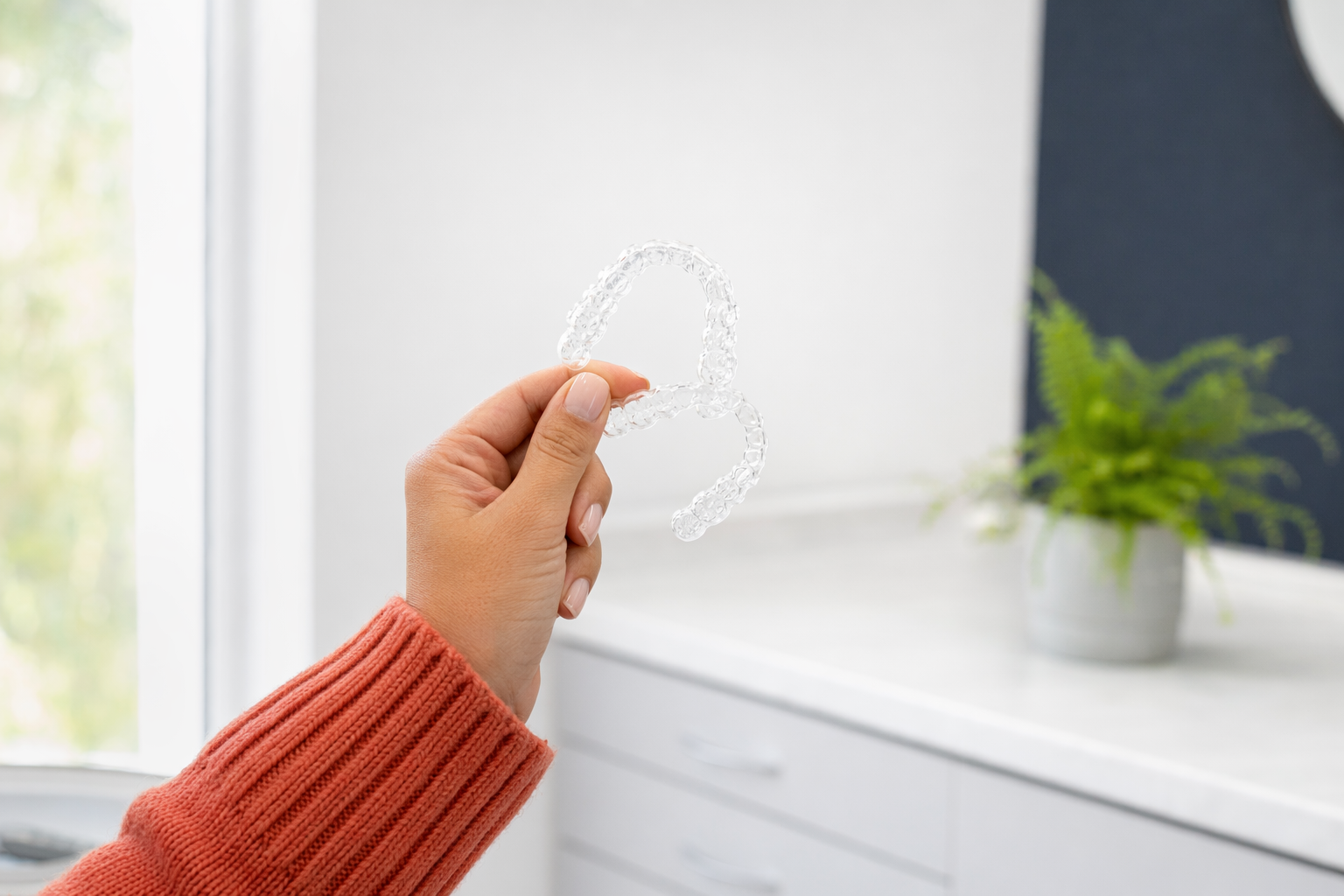
1. Clear aligners
- These are clear, removable trays that fit over the teeth.
- They are often the least noticeable option in day-to-day life.
- You take them out for meals and brushing.
- They can be convenient, but they only work as intended if worn as directed by the orthodontist.
- Typical US cost range: $3,000-$8,000.
- Learn more: clear aligners.
2. Ceramic braces
- These work like braces, but the brackets are tooth-colored or clear-looking.
- Many people choose them because they can blend in more than metal braces.
- They are still visible up close, and some parts may still show.
- Typical US cost range: $4,000-$8,000.
- Learn more: ceramic braces.
3. Metal braces
- Not usually chosen for a discreet look, but still important to compare.
- In some cases, they may be the simplest or most cost-conscious option.
- Typical US cost range: $3,000-$7,000.
- Learn more: metal braces.
A few honest points matter here:
- Less visible does not always mean better for your case.
- Removable treatment needs consistency. If trays are left out often, progress can be affected.
- Your bite matters as much as appearance. What looks subtle on the outside may still need careful planning.
- Retainers usually come later. Typical US cost is about $100-$500 per set, depending on the type and area.
Be cautious with mail-order or at-home aligner kits. They may sound easy, but you should understand who is responsible for your care, how problems are handled, and whether a licensed orthodontist will examine you in person before treatment begins.

How to compare discreet options without getting overwhelmed
When parents and adults compare options, it helps to focus on a few practical questions instead of marketing words.
Ask about everyday fit
- Do you want something removable for meals and photos?
- Will you realistically keep up with wearing and cleaning removable trays?
- Is your work, school, or social life the main reason you want a lower-visibility option?
Ask about the plan, not just the product
- What problem is the orthodontist trying to correct?
- Why do they recommend this option for your case?
- What are the other reasonable choices?
- What could make the treatment more or less noticeable?
Ask about cost clearly
Typical ranges can help you prepare, but they are estimates, not quotes. The real price depends on the case, your area, and your insurance.
- Metal braces: $3,000-$7,000
- Ceramic braces: $4,000-$8,000
- Clear aligners: $3,000-$8,000
- Retainers: $100-$500 per set
If you have dental insurance, check whether it includes orthodontic benefits. Many plans use an orthodontic lifetime maximum, often around $1,000-$3,000. That number is not the same as full coverage, so ask how it applies to the total fee. This guide can help: orthodontic insurance explained.
Ask for the details in writing before you start
You choose who to see. You should also confirm the plan and price in writing before treatment begins. Make sure you understand:
- the type of appliance being recommended
- what is included in the fee
- whether retainers are included or separate
- payment schedule and financing terms, if any
- what happens if treatment changes along the way
What to do next
If you are interested in a less-visible option, keep it simple.
1. Make a short list of priorities.
Decide what matters most to you: lower visibility, lower cost, removability, fewer office visits, or a specific timeline for personal reasons.
2. Meet with a licensed orthodontist in person.
This is the only way to learn what is appropriate for your teeth and bite. AlignLoom does not provide exams or advice. We can help you find local orthodontists to compare.
3. Compare at least two consultations if you can.
Ask each office to explain why they recommend clear aligners, ceramic braces, or another option.
4. Verify the orthodontist's license yourself.
This is an important step for any family, especially if you are new to the US system.
5. Review the written plan before signing.
Look at the total estimated cost, what is included, and how follow-up and retainers are handled.
If you want help finding local licensed orthodontists, you can use get matched. The matching service is free for families. There is no obligation to start treatment with anyone.
If you are still deciding between the main options, read braces vs clear aligners before your appointments. It will help you ask better questions and feel more prepared.
If you want a more discreet way to straighten teeth, ask a licensed orthodontist about clear aligners and ceramic braces, compare the written cost and plan, and choose the option that fits your case, budget, and daily life.