Clear Aligners for Teens — What Parents Ask
Many parents like the idea of clear aligners because they are less noticeable than braces. The big question is simple: are they a good fit for your teen, or will braces be the safer choice?
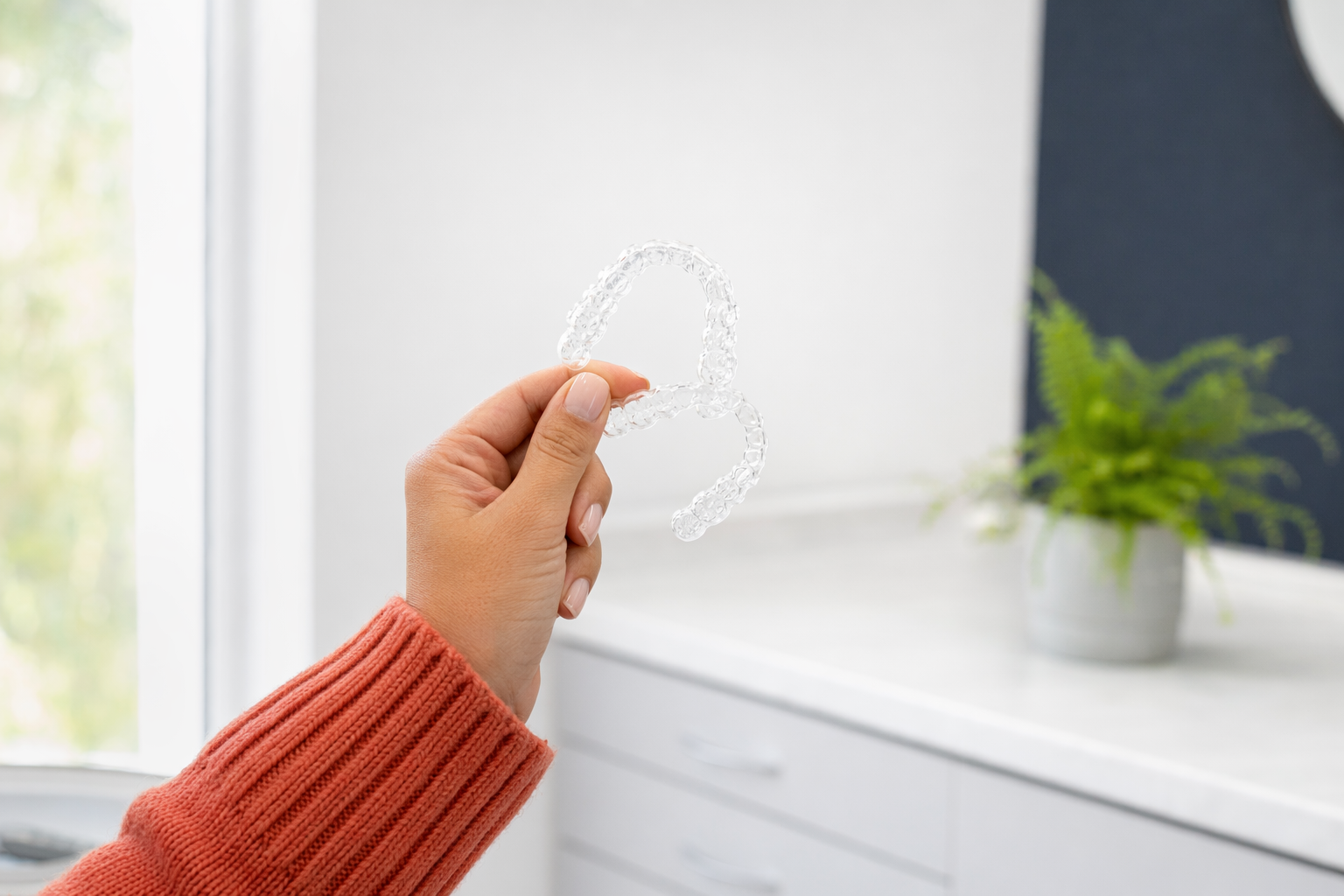
The short answer
Sometimes, yes. Sometimes, no. Clear aligners can work well for some teens, but they are not the best choice for every mouth, every bite, or every routine.
A licensed orthodontist needs to examine your teen in person to say what is appropriate. This page is general education, not medical advice. AlignLoom is a free matching service. We help families connect with licensed orthodontists near them. We do not provide exams, diagnosis, or treatment.
In general, clear aligners may be worth asking about if your teen:
- can wear them as directed every day
- is careful with routines and school habits
- wants a less visible option
- plays sports or music and likes the idea of removing the trays for short periods when allowed by the orthodontist
Braces may be easier to manage if your teen:
- loses things often
- forgets daily routines
- does not want the responsibility of removable trays
- may do better with a treatment that stays on all the time
If you want a side-by-side overview, see braces vs. clear aligners.
What parents usually care about most
Parents usually ask the same practical questions first: Will it work? Will my teen actually wear them? How much will it cost? Those are the right questions.
1. Will clear aligners work for teen cases?
They can work for many cases, but not all. Some teens may be candidates for clear aligners. Others may be better served by braces. The best option depends on the tooth movement needed, the bite, the growth stage, and how reliable the teen is with wear time.
2. Are teens responsible enough?
This matters more than many parents expect. Aligners only work when they are worn as instructed by the treating orthodontist. A teen who leaves trays out during lunch, sports, sleepovers, or busy school days may slow progress or create setbacks.
3. Are aligners more comfortable?
Some families feel aligners fit better into daily life because there are no brackets or wires fixed to the teeth. But that does not mean treatment is effortless. There can still be pressure, soreness, and adjustment periods. Only an orthodontist can explain what to expect for your teen's case.
4. Do they cost more?
Sometimes yes, sometimes no. Typical US ranges are often $3,000-$8,000 for clear aligners. For comparison, metal braces are often $3,000-$7,000, and ceramic braces are often $4,000-$8,000. These are estimates, not quotes. The real price depends on the case, the area, and insurance. Many dental plans that include orthodontic coverage have a lifetime maximum, often around $1,000-$3,000. You can read more at orthodontic insurance explained.

How to tell if clear aligners are realistic for your teen
This is where honesty helps. The question is not just, "Does my teen want aligners?" The better question is, "Can my teen handle aligners every day for many months?"
Here are signs clear aligners may be realistic:
- your teen keeps track of small items well
- they follow instructions without constant reminders
- they already handle a consistent hygiene routine
- they care enough about appearance to stay motivated
- they will put trays back in after meals and snacks
Here are signs braces may be easier:
- trays would probably get lost at school or in napkins
- your teen snacks often and may not want the extra routine
- they resist brushing and cleaning now
- they are likely to skip wear time when busy or embarrassed
A few day-to-day issues parents often overlook:
- Meals and snacks: removable trays can be convenient, but they also add one more routine to every school day.
- Sports: some teens like being able to remove aligners briefly when appropriate, but they still need to follow the orthodontist's instructions.
- Band, choir, and school life: some teens adjust quickly. Others find the first days awkward.
- Retention after treatment: whether your teen gets braces or aligners, they will likely need retainers at the end. Typical retainer costs are often $100-$500 per set. Learn more about retainers.
Be careful with mail-order / at-home aligner kits for teens. Parents should understand that remote-only options are not the same as in-person orthodontic care. For a growing teen, many families prefer an in-person exam with a licensed orthodontist who can explain whether aligners or braces make sense.
What to ask at the consultation
When you meet an orthodontist, keep it simple and get answers in writing before you start. You are allowed to compare options. You choose who to see.
Ask questions like these:
1. Is my teen a reasonable candidate for clear aligners, or do you recommend braces instead? Why?
2. What are the tradeoffs for this specific case? Ask about appearance, routine, likely office visits, and how missed wear time can affect progress.
3. What is the estimated total cost? Ask for the full written price, what is included, and what may cost extra.
4. How does insurance apply? Ask how the orthodontic benefit works and what your family would owe.
5. What happens if trays are lost or treatment needs to change?
6. What retainers will be needed at the end, and what do replacements usually cost?
It also helps to ask about the orthodontist's license and verify it yourself through your state's licensing board. If you want a practical checklist, see how to choose an orthodontist.
A good consultation should leave you feeling informed, not rushed. You should understand the plan, the estimate, the payment schedule, and your choices before treatment begins.
What to do next
If you are still deciding, that is normal. You do not need to commit on the first visit.
A simple next step:
- compare clear aligners with braces for your teen's routine
- ask for at least one in-person orthodontic consultation
- review the written treatment plan and estimated price carefully
- check insurance and ask what is covered
- verify the orthodontist's license yourself before starting
If you want help finding licensed orthodontists nearby, you can use get matched. AlignLoom is free for families. We help you connect with local orthodontists so you can compare options. We do not provide treatment, and this information is not medical advice.
Clear aligners can be a good choice for some teens, but they only make sense if your teen will wear them responsibly. Get an in-person exam with a licensed orthodontist, compare the written plan and estimated cost, check insurance, and verify the orthodontist's license before you start.