Caring for braces and aligners
Good care helps braces and clear aligners work as planned and can make treatment easier day to day. This page is general, educational information only, not medical advice, and only a licensed orthodontist can advise you after an in-person exam.
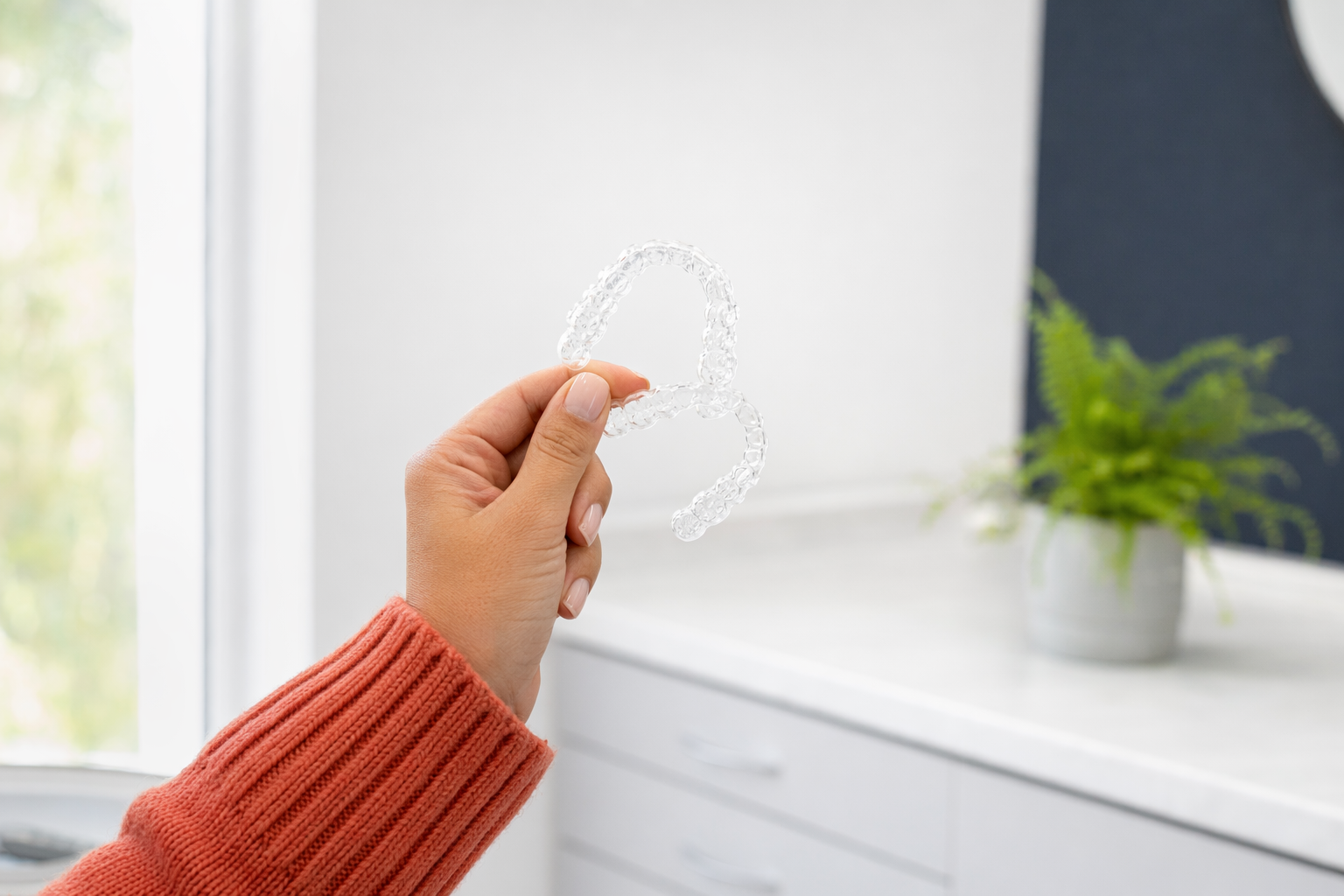
Why daily care matters
Braces and clear aligners both need steady daily care. Small habits can help you avoid broken parts, lost trays, extra cleaning problems, and surprise costs.
If you are early in the process and still comparing options, see braces vs clear aligners or browse treatments.
A few honest truths:
- There is no one perfect routine for everyone. Your orthodontist may give instructions that fit your teeth, bite, and treatment plan.
- Missed care can slow progress. Broken brackets, bent wires, or not wearing aligners enough can create delays.
- Cleaning matters for comfort and confidence. Food stuck in braces or cloudy aligners can be frustrating.
- Replacement items can cost money. For example, retainers often cost about $100-$500 per set. Actual prices vary by case, area, and insurance.
The big goal is simple: keep the appliance clean, use it as instructed, and protect it from damage.
Daily care basics for braces
If you have metal or ceramic braces, think in three parts: clean carefully, eat carefully, and protect carefully.
- Brush after meals when you can. Angle the toothbrush around brackets and along the gumline. Take your time.
- Clean between teeth once a day. Floss tools made for braces can help.
- Rinse well. This can help remove trapped food when brushing is not possible right away.
- Check for food in the mirror. It sounds simple, but it helps.
Food habits matter too:
- Choose softer foods if your teeth feel sore after adjustments.
- Cut firm foods into small pieces.
- Avoid biting directly into very hard or very sticky foods if your orthodontist told you they can damage brackets or wires.
- Do not chew on ice, pen caps, or fingernails.
If you want a quick refresher on the different appliance types, these guides may help: metal braces and ceramic braces.
A practical family tip: keep a small kit in a backpack, purse, or work bag with a toothbrush, toothpaste, floss tools, and orthodontic wax if your orthodontist recommended it. That makes care much easier away from home.

Daily care basics for clear aligners
Clear aligners only work when they are worn the way your licensed orthodontist tells you to wear them. General good habits include:
- Put aligners back in after eating and drinking anything except plain water, if that matches your orthodontist's instructions.
- Clean them gently every day. Rinse them and clean them as directed by your orthodontist.
- Brush your teeth before putting them back in when possible. This can help keep the trays cleaner.
- Store them in their case. Napkins are a common way trays get thrown away by accident.
- Keep them away from heat. Hot cars, very hot water, and heaters can warp plastic.
Common sense matters here. Clear trays can look easy, but they still need discipline. If trays are left out often, lost, or worn less than instructed, treatment may not go as planned.
If you are comparing options or just starting to learn, see clear aligners.
For parents: younger teens often need reminders. A simple phone alarm before school, after lunch, and before bed can help build the routine.
What to do when something goes wrong
Minor problems happen. The safest next step is usually to contact your orthodontist's office and follow their instructions. AlignLoom does not provide care, diagnosis, or treatment.
Here are common situations and practical next steps:
- A bracket or wire feels loose: Call the orthodontist who is treating you. Try not to play with it using your fingers or tongue.
- A wire is poking: Contact the office for guidance. If your orthodontist has already shown you how to use wax for comfort, you may be able to use that until you are seen.
- An aligner feels very tight: Some tightness can happen with a new tray, but if pain seems unusual or the tray does not fit as expected, ask your orthodontist.
- You lost an aligner or retainer: Call the office as soon as possible. Do not guess what to do next.
- Your retainer cracked or no longer fits: Ask the orthodontist who prescribed it what they want you to do. Replacement retainers are commonly in the $100-$500 per set range, but the real price depends on the type, office, area, and insurance.
Important: this is not medical advice. Only a licensed orthodontist can tell you what is appropriate for your situation after evaluating you.
If you are still choosing a provider, read how to choose an orthodontist and remember to verify the orthodontist's license yourself.
Common mistakes that cause trouble
Most problems come from a few repeat mistakes. Avoiding them can save time and stress.
With braces:
- Skipping careful brushing around brackets
- Eating foods your orthodontist told you to avoid
- Pulling on wires or brackets
- Missing visits or waiting too long to report breakage
With clear aligners:
- Leaving trays out for long periods
- Wrapping trays in a napkin at restaurants
- Drinking sugary or staining drinks while wearing them if your orthodontist told you not to
- Cleaning trays with very hot water
- Moving to the next tray without professional guidance
With retainers:
- Assuming retention does not matter after active treatment
- Stopping use because the teeth still look straight
- Waiting too long when a retainer starts to feel too tight or stops fitting
Retention is often the forgotten step. But many people need long-term retainer wear exactly because teeth can shift over time. You can learn more at retainers.
Your next step if you need help understanding options
If you or your child are deciding between braces and clear aligners, or if you want to compare local orthodontists, you do not have to figure it out alone.
AlignLoom is a free matching service for families and adults in the US. We share general educational information and can help you get matched with licensed orthodontists near you. We are not a dentist or orthodontist, and we do not provide care. You choose who to see, and you should confirm the treatment plan and price in writing before starting.
A few cost basics to keep expectations realistic:
- Metal braces often range from $3,000-$7,000
- Ceramic braces often range from $4,000-$8,000
- Clear aligners often range from $3,000-$8,000
- Many dental plans have an orthodontic lifetime maximum, often around $1,000-$3,000
These are typical estimates, not quotes or guarantees. Actual cost depends on the case, the area, and insurance. If you want help taking the next step, you can get matched or read more about orthodontic insurance.
Clean braces or aligners every day, protect them from damage, and call your orthodontist if something feels wrong or breaks. If you still need to compare options or find a licensed orthodontist nearby, AlignLoom can match you for free.