Are Clear Aligners as Good as Braces?
Sometimes yes. Sometimes no. **Clear aligners and braces can both be effective**, but the better choice depends on the person's teeth, bite, habits, budget, and what a licensed orthodontist sees at an in-person exam.
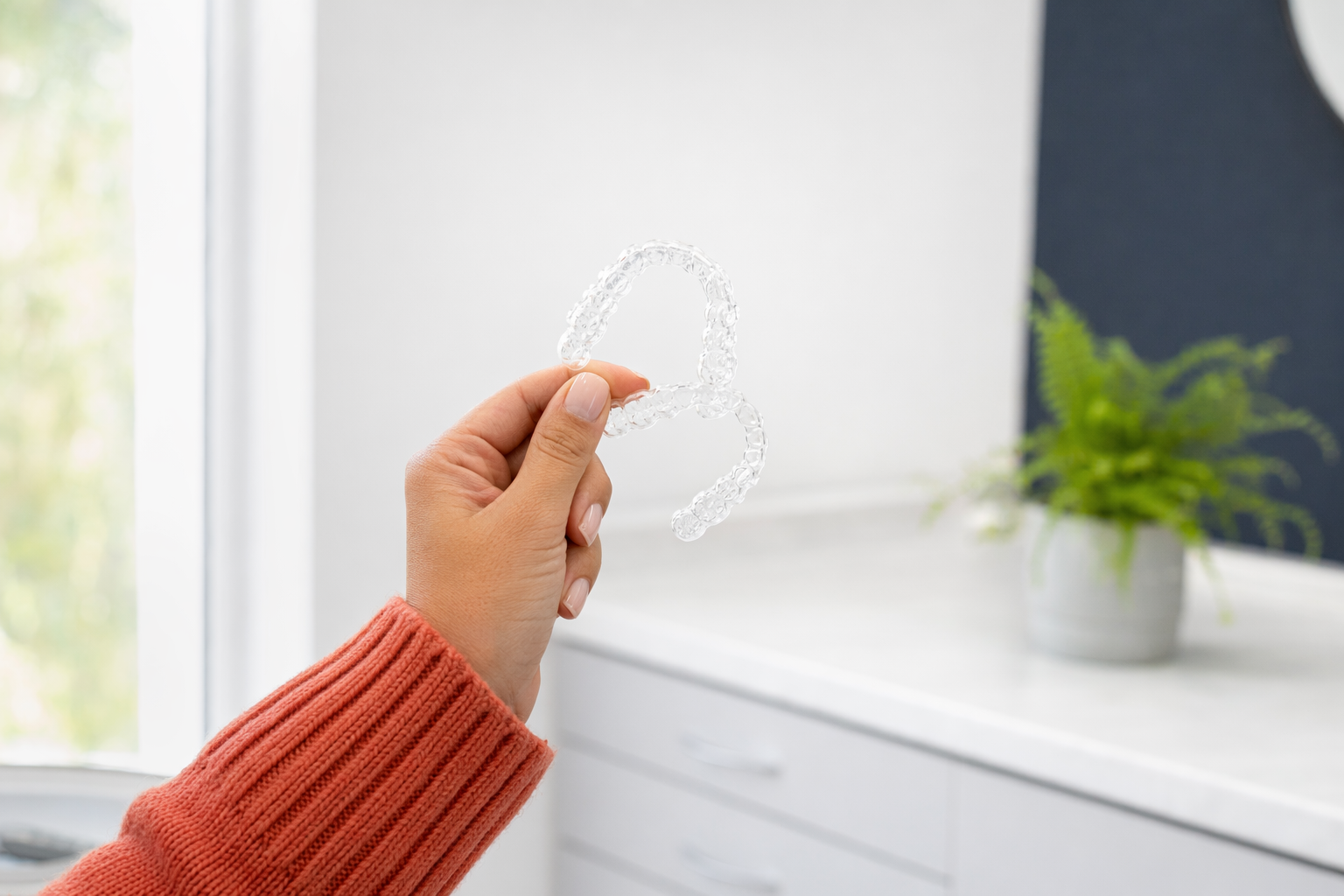
The short answer
For some mild to moderate cases, clear aligners may work about as well as braces. For more complex tooth movement or bite problems, braces may give the orthodontist more control.
That does not mean one option is always better. It means the right choice depends on the case.
A few honest points:
- Braces stay on the teeth, so they work all day without needing the patient to remember them.
- Clear aligners can be a good fit for adults and teens who want a less noticeable option and can wear them as directed.
- Patient habits matter a lot with aligners. If trays are not worn enough hours each day, treatment may take longer or may not go as planned.
- Only a licensed orthodontist can tell you what is appropriate after an in-person exam.
If you are still deciding, this guide on braces vs clear aligners can help you compare the basics. This is general educational information, not medical advice.
When clear aligners may be a good option
Clear aligners are often chosen because they are removable and less visible. That can make daily life easier for some people.
They may be worth discussing if you want:
- a treatment option that is harder to notice
- the ability to remove trays for meals
- easier brushing and flossing than around wires and brackets
- fewer food restrictions, since trays come out before eating
They can work well for some spacing, crowding, and alignment issues. But success usually depends on consistent wear. If the trays spend too much time out of the mouth, teeth may not move as expected.
Families often ask about teens. The big question is usually not just the teeth. It is responsibility. A teen who loses trays, forgets them, or removes them often may do better with braces.
Cost matters too. Typical US ranges are:
- Clear aligners: $3,000-$8,000
- Metal braces: $3,000-$7,000
- Ceramic braces: $4,000-$8,000
These are estimates, not quotes. The real price depends on the case, the area, and the patient's insurance. If you want a broader breakdown, see costs.

When braces may be the better choice
Braces are a very common choice because they give the orthodontist strong, direct control over tooth movement. They may be recommended more often when a case is harder or when wearing removable trays consistently may be difficult.
Braces may be helpful when:
1. there is significant crowding or rotation
2. the bite issue is more complex
3. the patient is unlikely to wear aligners enough hours per day
4. the orthodontist wants a treatment approach that does not depend on removing and replacing trays correctly
That said, braces come with tradeoffs:
- They are more visible, especially metal braces.
- Cleaning around brackets and wires takes more time.
- Some foods may need to be avoided.
- Appointments for adjustments may feel different from aligner check-ins.
If appearance is a concern, some families ask about tooth-colored options. You can read more about metal braces and ceramic braces to understand the differences.
Again, this is not medical or dental advice. A licensed orthodontist has to examine the teeth and bite in person before recommending a plan.
What matters more than the marketing
It is easy to get pulled into big promises. Try to focus on the practical questions instead.
What usually matters most:
- How complex is the case? Simple and moderate cases may have more than one reasonable option. Complex cases may not.
- Will the patient follow through? Aligners only work when worn as directed.
- What does the orthodontist actually recommend, and why? Ask for the reason in plain language.
- What is included in the written fee? Ask about visits, retainers, and what happens if treatment changes.
- What happens after treatment? Most people need retainers to help hold results. Typical retainers cost about $100-$500 per set.
Be careful with mail-order or at-home aligner kits. They may sound simple, but they are not the same as seeing a licensed orthodontist in person. If you are comparing options, ask whether the provider will do an in-person exam, explain the bite clearly, and give you the plan and fees in writing before you start.
Insurance can help in some cases, but coverage varies. Many dental plans have an orthodontic lifetime maximum, often around $1,000-$3,000. That maximum may apply whether you choose braces or clear aligners, depending on the plan. You can learn more in orthodontic insurance explained.
What to do next
If you are deciding for yourself or your child, keep it simple:
- List your priorities. Cost, appearance, time, cleaning, and how responsible the patient is with removable trays.
- Meet a licensed orthodontist in person. Ask which options are realistic for this case and why.
- Compare the written plan carefully. Look at treatment type, estimated fee, payment options, retainers, and follow-up.
- Verify the orthodontist's license yourself. Do not rely only on ads or social posts.
- Choose the option you feel comfortable managing day to day. The best plan is one you can realistically follow.
AlignLoom is a free matching service. We help families and adults connect with licensed orthodontists near them. We do not provide exams, treatment, or medical advice. You choose who to see, and you should confirm the plan and price in writing before starting.
If you want help finding local options, you can get matched for free. If you want a treatment overview first, start with treatments.
Clear aligners can be as good as braces for some people, but not for every case. The safest next step is to see a licensed orthodontist in person, compare the written plan and estimated cost, and choose the option you can realistically follow every day.